
Postpartum Care Guide for 2026 Mums

The postpartum period — often called the fourth trimester — is one of the most important yet under-supported stages of motherhood. In 2026, new mums are shifting focus toward structured postpartum care, prioritising recovery, mental wellness and practical support alongside newborn care
This guide from Baby Central Singapore covers everything modern mums need to know about postpartum healing, support strategies and recovery essentials
What Is Postpartum Care? (And Why It Matters in 2026)
Postpartum care refers to the physical, emotional and mental recovery period after childbirth — typically the first 6–12 weeks, though full recovery can take longer
Postpartum care supports:
-
Physical healing after vaginal or C-section birth
-
Hormonal adjustment
-
Feeding establishment
-
Sleep recovery
-
Mental health stability
-
Pelvic floor and core repair
2026 trend: Earlier intervention and prevention — mums are seeking pelvic floor therapy, lactation help and mental health support sooner rather than later
Postpartum Recovery Essentials Checklist for New Mums
Preparing postpartum recovery supplies before birth reduces stress and supports healing
Top postpartum essentials for 2026 mums:
-
Maternity pads or disposable underwear
-
Recovery spray or sitz soak
-
Nipple balm or breast care cream
-
Comfortable nursing bras
-
Feeding pillow for arm and back support
-
Large water bottle
-
One-handed healthy snacks
-
Night feeding station setup
-
Postpartum support garments(if recommended)
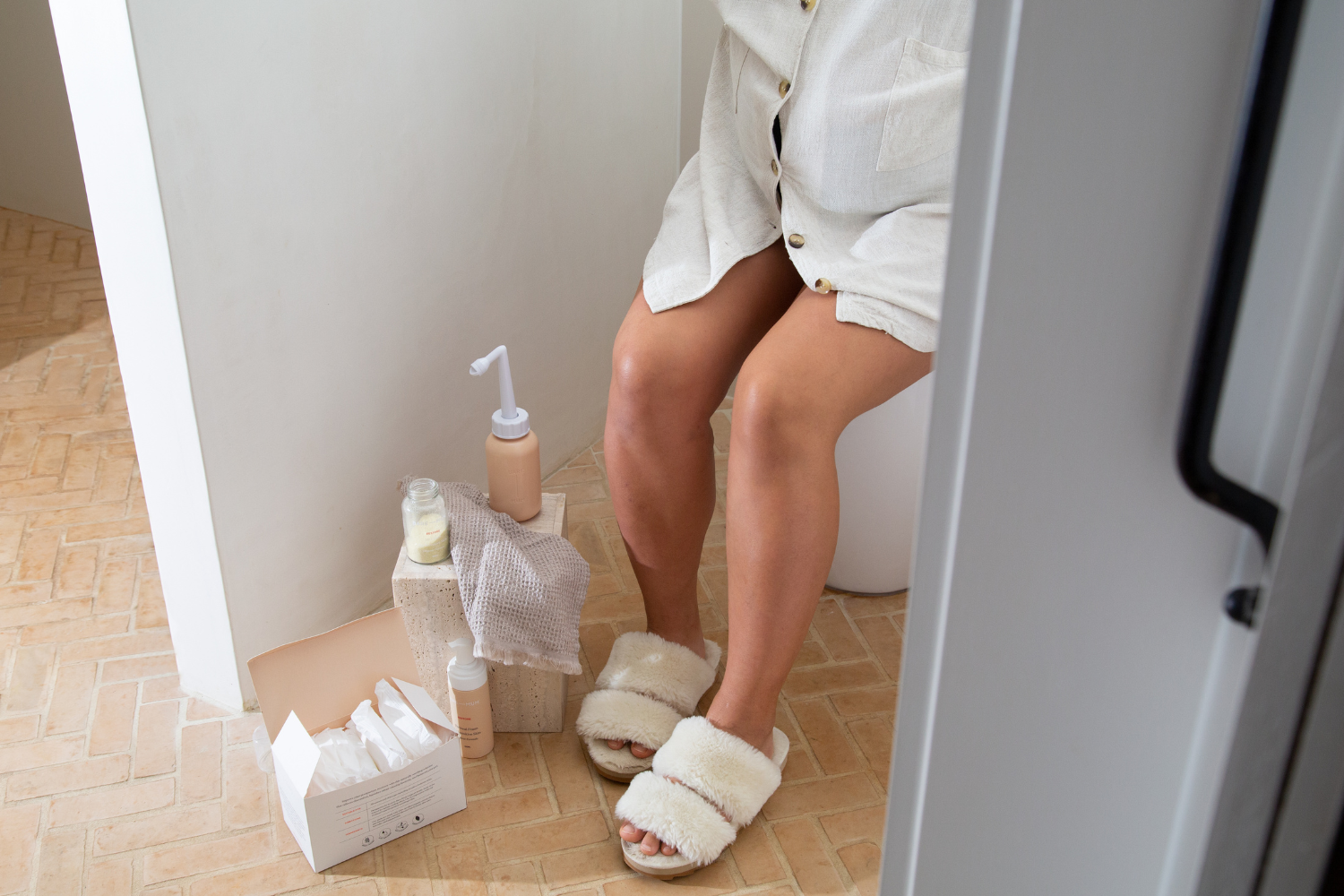
Physical Healing After Birth: What to Expect
Every postpartum recovery is different, but most mums experience:
-
Vaginal soreness or C-section incision healing
-
Postpartum bleeding (lochia)
-
Pelvic floor weakness
-
Abdominal separation (diastasis recti)
-
Breast tenderness or engorgement
-
Fatigue and muscle soreness
Best recovery practices:
-
Rest in short, frequent blocks
-
Accept help with chores
-
Avoid heavy lifting early
-
Stay hydrated
-
Begin gentle movement only when cleared
-
Book a pelvic floor check
Feeding Support for Breastfeeding and Formula Feeding Mums
Modern postpartum care supports all feeding journeys — breastfeeding, mixed feeding, pumping or formula feeding
2026 feeding support trends:
-
Virtual lactation consultations
-
On-demand feeding guidance
-
Ergonomic feeding pillows
-
Trackers without pressure
Important: Pain, stress or confusion around feeding is a signal to get support — not push through alone

Postpartum Mental Health: Signs, Support & Prevention
Mental health is now recognised as a core part of postpartum care
Common postpartum emotional changes:
-
Mood swings
-
Anxiety
-
Overwhelm
-
Crying spells
-
Identity adjustment
Seek professional help if symptoms persist:
-
Ongoing sadness
-
Panic or intrusive thoughts
-
Emotional numbness
-
Anger outbursts
-
Sleep avoidance
In 2026, mums are increasingly using:
-
Telehealth counselling
-
Postpartum support groups
-
Peer mum communities
-
Early screening tools
Postpartum Nutrition for Energy & Healing
Nutrition plays a major role in postpartum recovery and hormone balance
Best foods for postpartum recovery:
-
Iron-rich meals
-
Protein at every meal
-
Healthy fats
-
Warm, easy-to-digest foods
-
High-fibre choices
-
Electrolytes and fluids
Meal prep, freezer meals and food delivery support remain top recommendations for new mums
The 2026 Postpartum Care Approach: Support Over Pressure
The biggest shift in postpartum care for 2026 mums is moving away from “bounce back” culture and toward recover well culture
Modern postpartum care encourages:
-
Slower recovery timelines
-
Visitor boundaries
-
Shared care responsibilities
-
Mental health check-ins
-
Recovery product use without guilt
-
Asking for help early
Postpartum care is not optional — it is essential maternal health support!